Kein Geläut
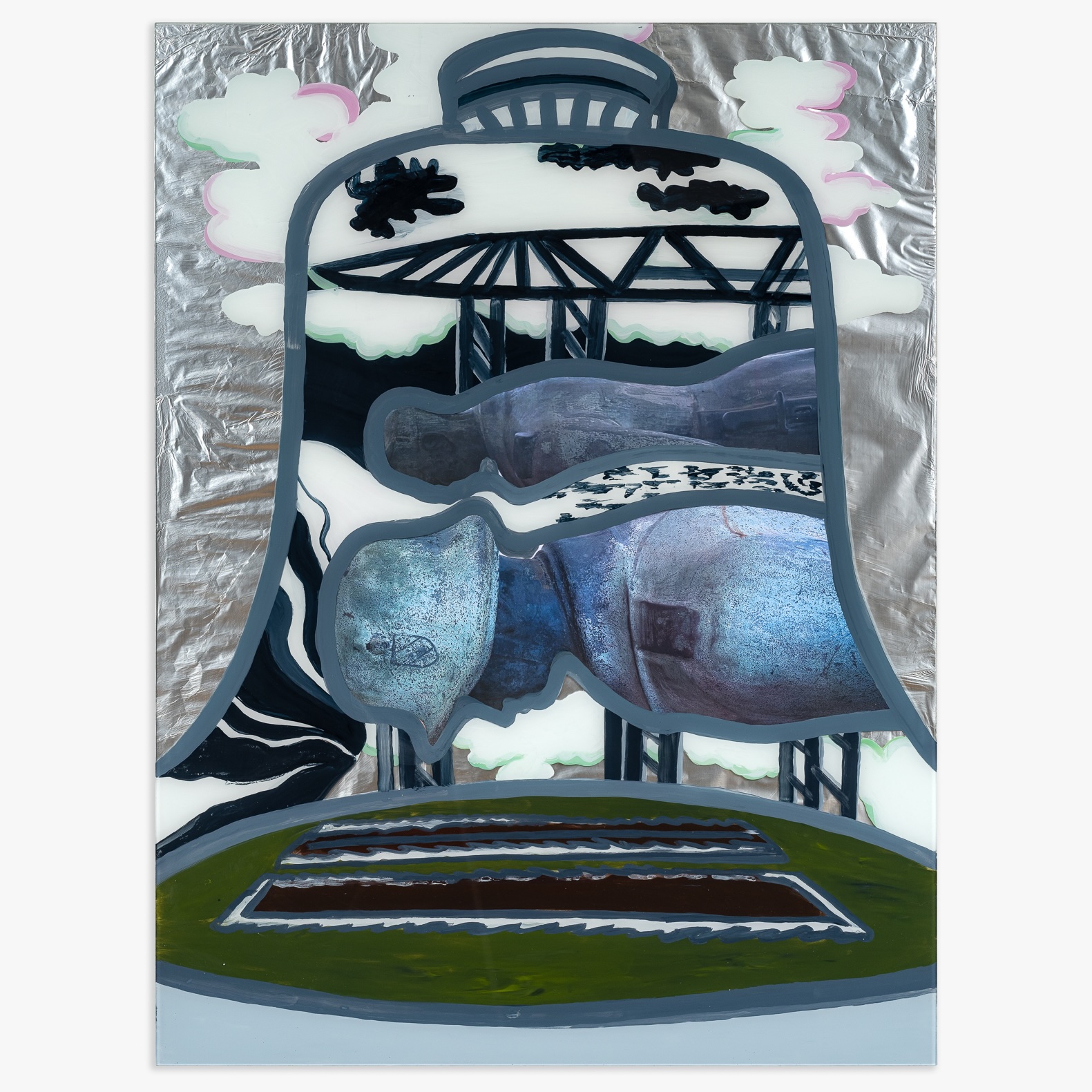
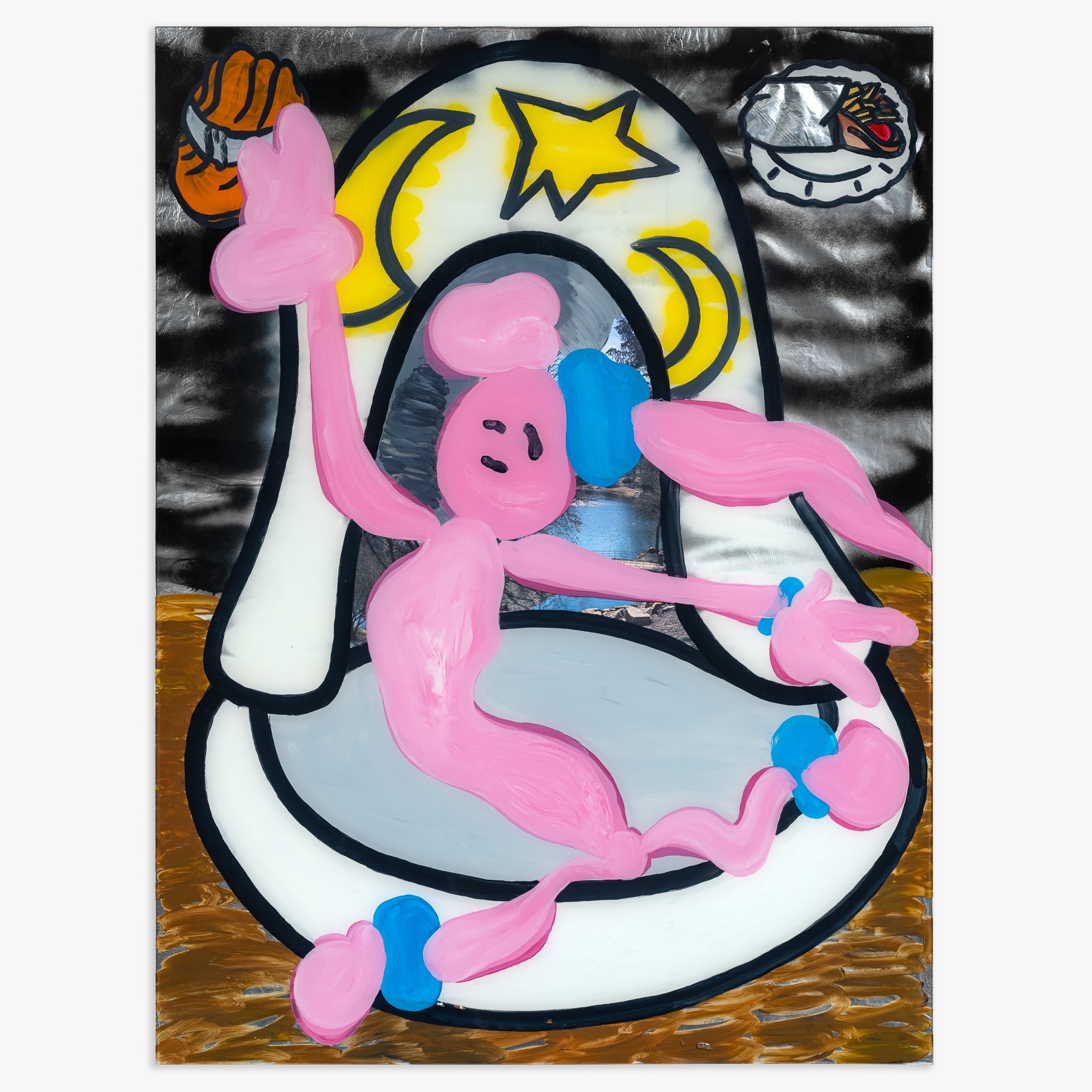
kein Geläut, 2026
Inflatable installation
450 × 450 × 250 cm
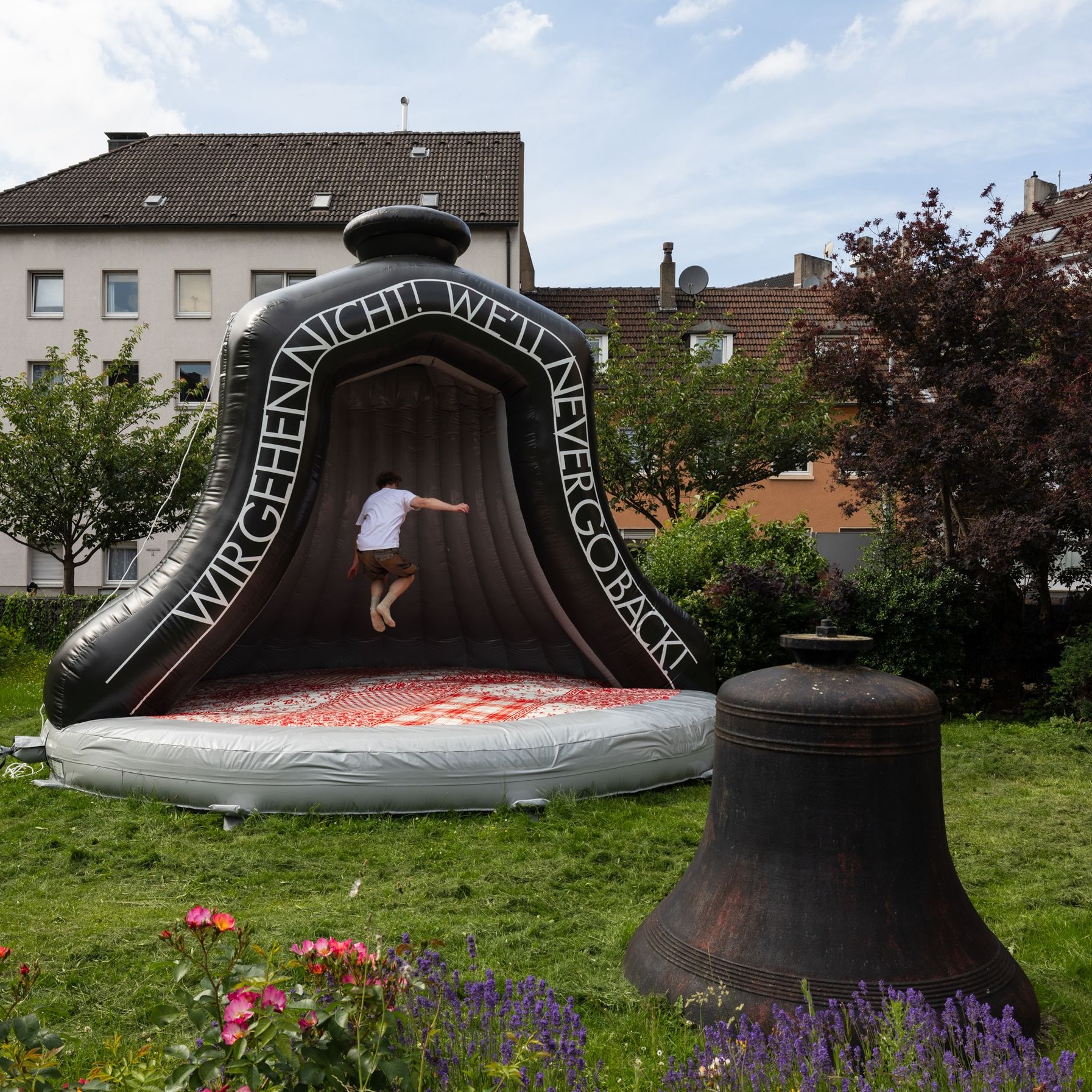
For the lawn in front of Gethsemane Church, Marina Naprushkina has developed an interactive sculpture inspired by a historic bell produced by the leading industrial company Bochumer Verein für Bergbau und Gußstahlfabrikation (BVG), which was originally part of the destroyed pre-war church. Naprushkina reconfigures this heavy, symbolic object into a soft, participatory structure: an inflatable bouncy castle bearing the slogan “We’ll never go back!” What appears as a playful activity is charged with tension: the repetitive act of bouncing becomes a condition of suspension, a body caught between gravity and release, unable to settle. Placed along the arch of the entrance, the slogan imparts a sense of both empowerment and political urgency. It responds to the current rightward shift and the so-called “Migrationswende” (shift in migration policy). The bouncy castle addresses the suspended condition experienced by neighbours with a migration background, an ongoing, precarious state that often extends across generations.
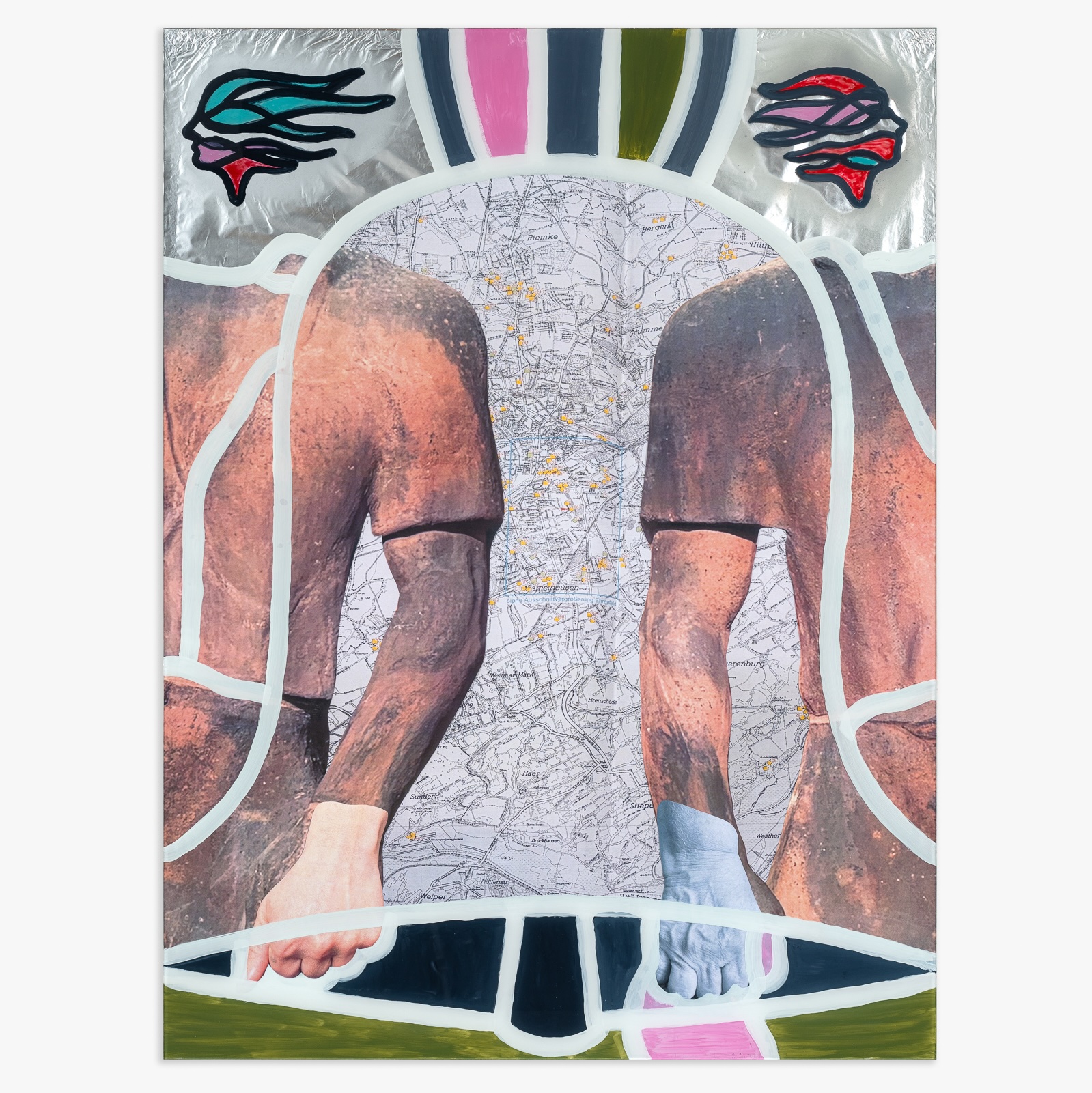
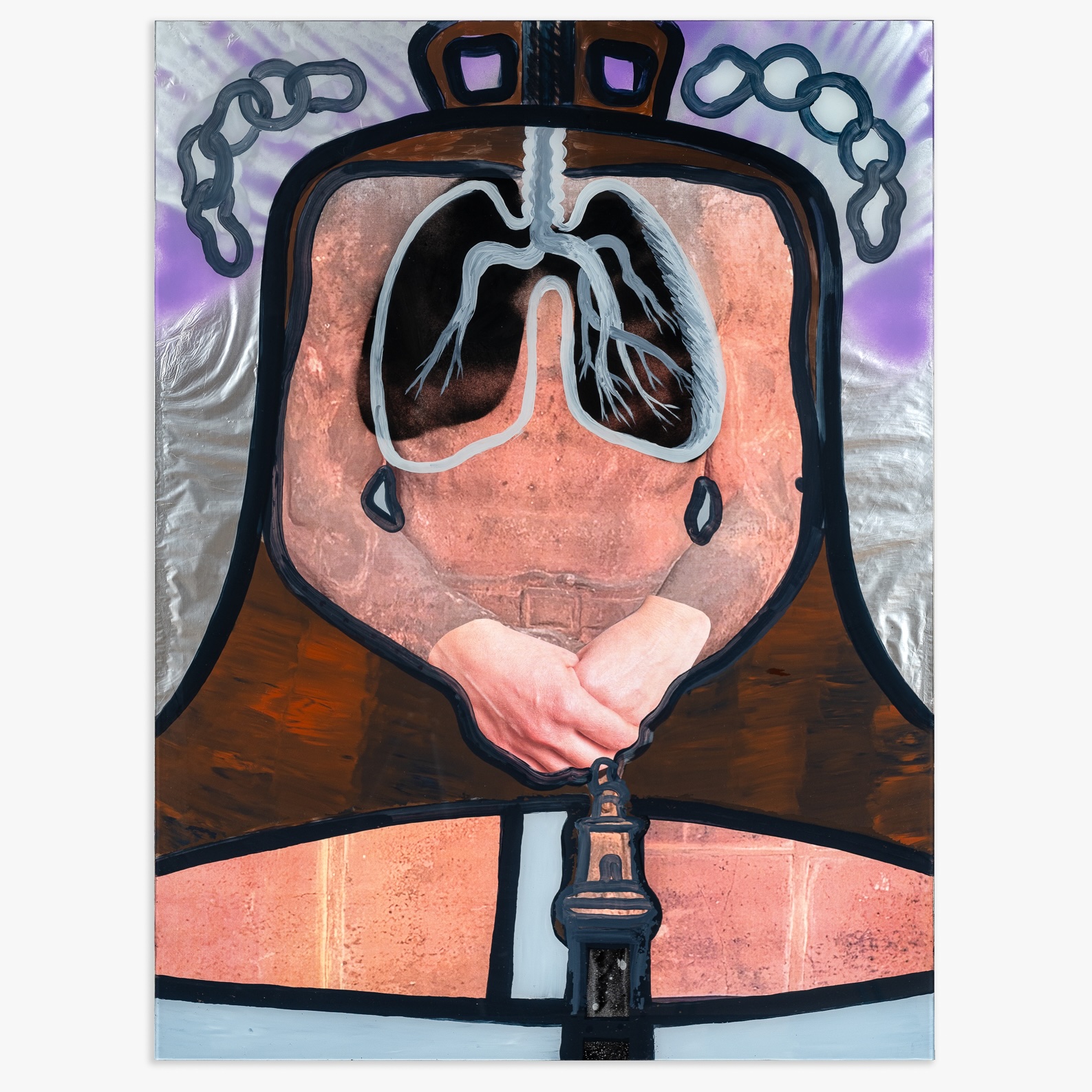
kein Geläut, 2026
Acrylic, foil, paper on glass
90cm x 120 cm
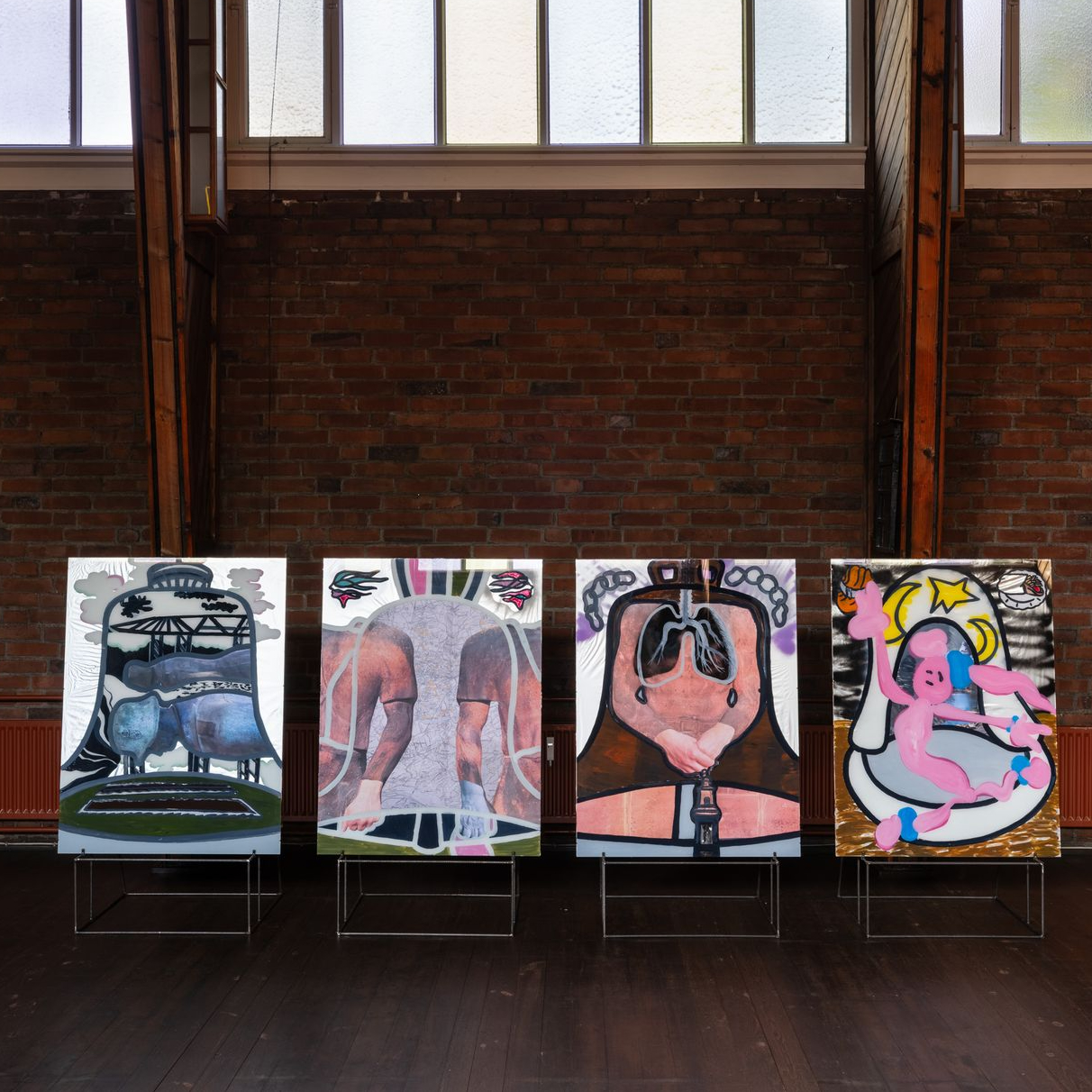
Bochum’s history is inextricably linked to the company Bochumer Verein für Bergbau und Gußstahlfabrikation (BVG), which transformed a rural region into one of Germany’s largest industrial centres. This growth stands for industrialisation, but also for resource extraction in the service of arms production, for collaboration with the National Socialist regime, and for the systematic exploitation of natural and human resources, including forced and prisoner labour during World War II. For generations, it was migrant workers, among others, who sustained this industry. Labour struggles for rights, wages and recognition became part of the region’s political landscape. Although the end of steel production has long been considered inevitable, today its return is being negotiated anew. Within the context of militarisation and energy crises, the decommissioned industry is once again marked as “systemically relevant.” Drawing on the bell as the advertising symbol of the Bochumer Verein, Naprushkina develops a collage of symbols from this history and its monuments. Using acrylic and foil on glass, she draws on the tradition of independent production of sacred images in rural Eastern European regions.
Photo © Manifesta 16 Ruhr / Ivan Erofeev